
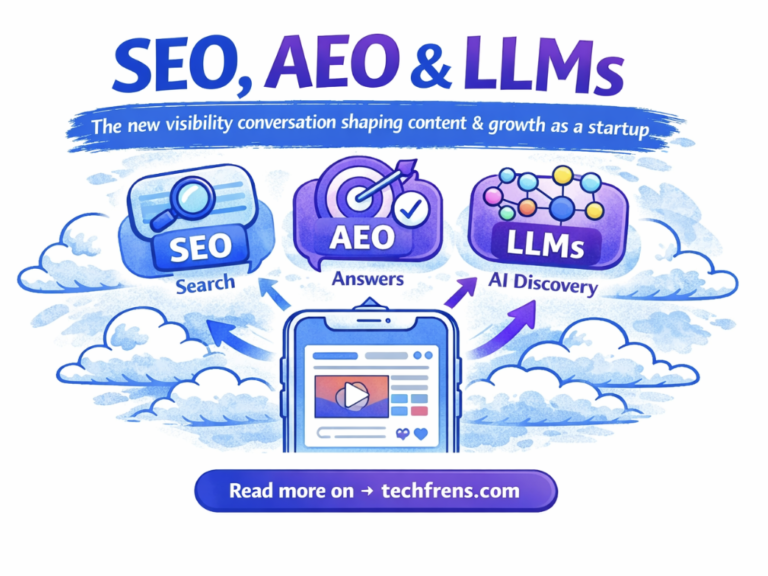
You’re probably wondering how I can get my product and content visible across social…if not, you should be. We’re diving deep into the dynamic between AEO, SEO and LMO without the hype as a startup.
Traditional SEO is still relevant, but it’s no longer the only system shaping how potential customers discover early-stage startups.
Today’s digital marketer needs to optimize across three environments:
- SEO → traditional search engines
- LMO → how large language models interpret brand information
- AEO → structured answers provided directly in search interfaces
These layers don’t replace SEO, they expand it. And together, they influence how well your startup shows up in AI-driven discovery, attribution paths, and performance workflows.
Here’s a simplified breakdown of each, and how a startup can begin optimizing within 30 days.
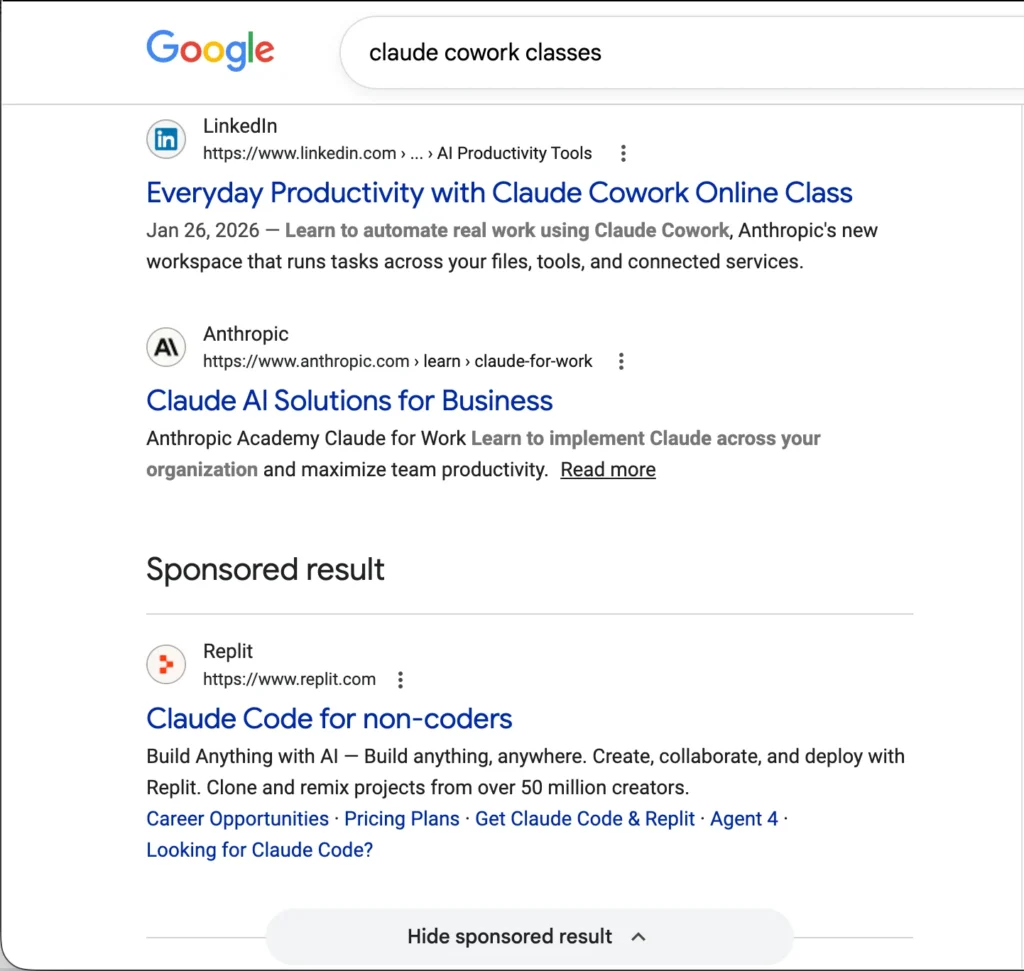
1️⃣ Language Model Optimization (LLMO): Making Your Brand Interpretable to LLMs
What LMO is:
Language Model Optimization (LMO) helps AI systems understand what your company actually does.
LLMs learn through patterns. When you describe your product differently across your website, LinkedIn posts, Reddit threads, or blog content, the model may categorize your company incorrectly.
Example:
Website → AI workflow automation platform
LinkedIn → marketing productivity tool
Blog → AI copilot for teams
To AI, this looks like three different products.
What startups should do:
1. Use a consistent vocabulary
Define three core signals and repeat them everywhere:
Product → AI marketing workflow automation
Problem → Marketers waste time managing tools
Outcome → Automate repetitive campaign tasks
Use the same language across your site, LinkedIn posts, community discussions, and blog content.
2. Use repeatable messaging structures
Frame ideas using patterns AI recognizes:
Problem → Decision → Outcome
This makes your positioning easier for AI systems to interpret.
3. Clarify what your product does not do
Clear boundaries help AI categorize your company correctly.
Example:
We automate marketing workflows.
We do not replace CRM platforms.
Once search engines can find your content, the next challenge is making sure AI systems can understand and surface the answers inside it.
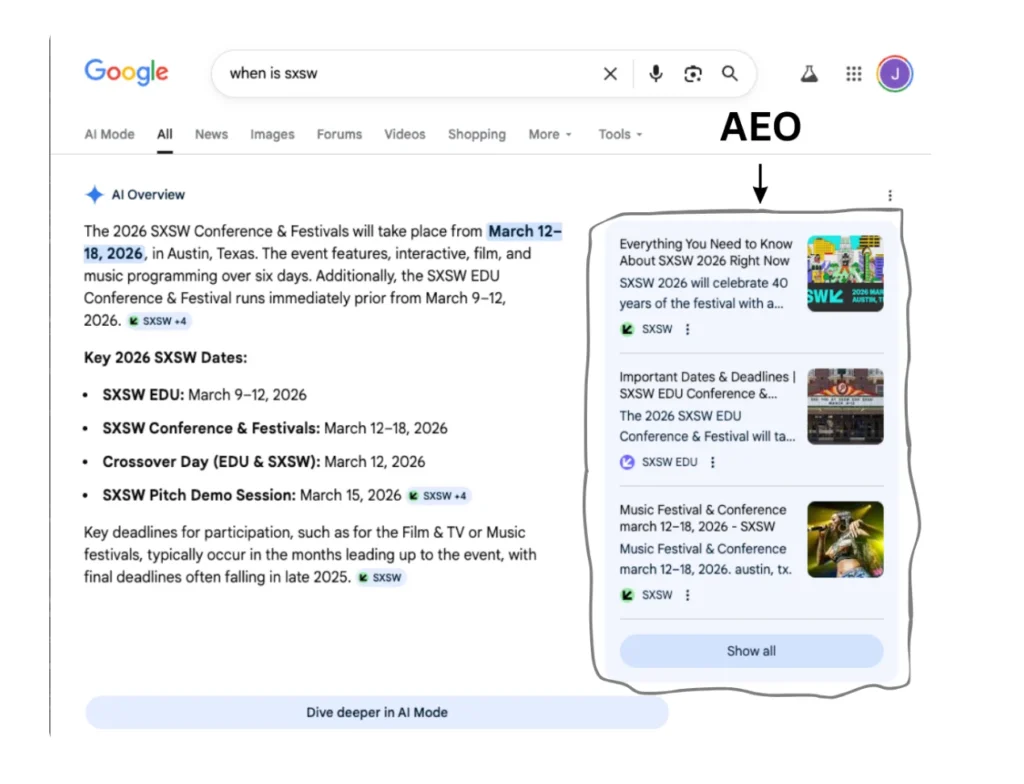
2️⃣ Answer Engine Optimization (AEO): Optimizing for Direct Answers.
What AEO is:
AEO supports how search engines surface direct answers, including featured snippets, AI Overviews, and structured results that bypass traditional link hierarchy.
That means visibility depends on how clearly your ideas are structured, not just where they’re published.
AI systems tend to surface content that contains clear, extractable answers.
How startups should structure content on platforms
- Use direct Q&A formats
Example LinkedIn or Reddit post:
What is AI workflow automation?
AI workflow automation automatically handles repetitive marketing tasks like campaign reporting and budget adjustments.
Clear definitions are easy for AI to extract and summarize.
Content that performs best in AI systems isn’t just optimized for search.
It’s written so machines can quickly understand, extract, and repeat the insight
3️⃣ SEO Still Matters, but Its Role Has Changed
SEO provides the foundation that AI systems rely on:
- Site health
- Structured metadata
- Technical clarity
- High-quality pages
- Visibility
But SEO alone no longer guarantees visibility.
Today the stack works like this:
SEO → establishes baseline access
LMO/AEO → determine interpretation and recommendation
All three layers have to connect together to create an effective strategy for improving visibility around your brand.
Want to see more deep dives on different topics? Let us know in our newly launched Discord Channel (community AMA). Join here.